General Liability for Equipment Rental Companies for equipment rental companies
Third-party bodily injury and property damage protection for a rental operation — a customer injured while operating your equipment, property damage at a delivery site, and the products-and-completed-operations exposure that follows equipment you own and rent to others. Structured with the limits and additional-insured terms your commercial customers require.
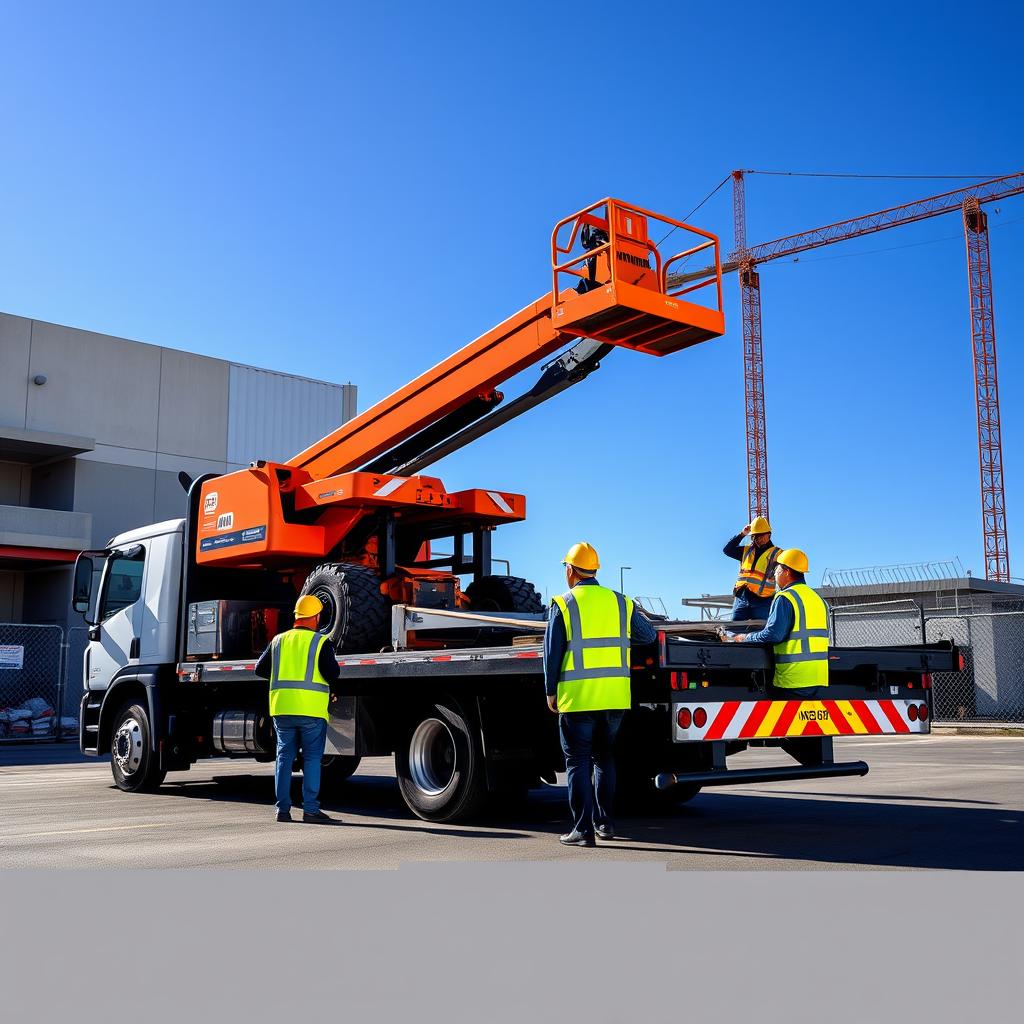
What it covers
- Third-party bodily injury at your yard and customer job sites
- Customer injuries sustained while operating your equipment
- Property damage during delivery, setup, and pickup
- Products and completed operations coverage
- Defense costs and legal fees
- Blanket additional insured endorsement for fast COI turnaround
Who it's for
- Any rental company required to provide certificates of insurance to customers
- Operations renting to general contractors, commercial projects, or government work
- Yards renting equipment operated by the customer (injury exposure)
- Companies whose GL limits are too low to qualify for tier-one commercial bids
Why CCA
- GL structured with products and completed operations for the rental exposure
- Limits sized to what GCs and project owners require — $1M/$2M baseline, higher for tier-one work
- Blanket additional insured endorsement so certificates issue same-day
Common questions about general liability for equipment rental companies
GL covers third-party bodily injury and property damage claims arising from your rental operations — a customer injured while operating your equipment, property damage at a delivery site, or a claim that your equipment caused harm. It does not cover physical damage to your own equipment; that's the equipment floater.
Most commercial customers and GCs require at least $1 million per occurrence / $2 million aggregate. Major commercial projects and government work commonly require $2M/$4M with a $5M–$10M umbrella above. Additional insured, waiver of subrogation, and primary/non-contributory endorsements are almost universally required.
Generally no — that's the customer's responsibility under their own coverage, which is why requiring their COI is best practice on high-value rentals. Your GL responds when a third party sues you as the equipment owner for injury or damage your rental operation caused.
Yes — rental operations carry a products-completed operations exposure because you rent equipment to others for their use. We structure GL with products and completed operations so the coverage tail follows the equipment after it leaves your yard.
GL covers third-party injury and damage; the floater covers your equipment; commercial auto covers your delivery vehicles. We coordinate all three so there's no gap where a claim falls between policies — which is where most coverage disputes happen.
Cost is driven by your fleet value (the largest factor), annual rental revenue, employee count and payroll, the types of equipment you rent, delivery radius, and loss history. We quote your actual operation in about 15 minutes — never a generic estimate. A small specialty yard may pay under $15,000 a year while a large multi-branch operation with a heavy delivery fleet runs considerably more.
Yes. Contractors Choice Agency is licensed in all 50 states and writes programs for equipment rental companies nationwide — Phoenix, Dallas-Fort Worth, Denver, Atlanta, Nashville, Tampa, Salt Lake City, and everywhere rental yards operate.
Typically 15 minutes on a call. For larger fleets or high-value programs we may need a day or two to involve the right specialty markets, but we move fast and set expectations up front. Certificates of insurance are issued same-day once the program is bound.
Often yes. We have admitted and excess-and-surplus (E&S) markets for rental companies declined over a high theft loss run, a prior total-loss claim, OSHA citations, or new-operation status. Bring us your situation and we'll find a path.
Usually yes. Bundling inland marine, general liability, commercial auto, equipment breakdown, and umbrella into one coordinated program closes gaps between policies, is almost always cheaper than separate policies from separate carriers, and is far easier to manage at claim time.
A.M. Best ratings reflect a carrier's financial strength and ability to pay claims. We place coverage with A-rated (and A.M. Best A+ where possible) carriers so the coverage is there when a major theft, a serious accident, or an injury claim hits your rental operation.
Fleet list with makes, models, years, serial numbers, and values; number of rental units; annual rental revenue; employee count and payroll by role; delivery radius and whether you deliver or require pickup; equipment categories rented; current carrier and loss history. The more detail, the more accurate the quote.
Yes. Party and event rental operations — tents, tables, bounce houses, staging, lighting — carry similar inland marine and rented-to-others exposures plus distinct product/setup liability. We tailor the program to the equipment category you rent, whether that's heavy construction or event rentals.
We set up a blanket additional insured endorsement so you can issue certificates quickly to customers who require it. For high-value rentals we recommend requiring the customer's COI naming you as additional insured and loss payee before release. Your agent can issue same-day ACORD 25 certificates once the endorsement is in place.
Yes — hand tools, power tools, generators, compressors, and small equipment are scheduled under the inland marine floater alongside the heavy iron. Smaller items are the most frequently stolen category, so we make sure the schedule and limits reflect the full fleet, not just the big-ticket units.
Yes. If you operate from multiple locations, we build one coordinated program covering every branch, yard, and delivery route with no gaps between sites — and with consistent limits and additional-insured terms across the whole operation.
Yes. Delivery trucks, flatbeds, lowboys, and trailers used to transport equipment are covered under commercial auto, while the rental equipment itself rides on the inland marine floater. We coordinate both so there's no gap when equipment is on your truck and no double-payment question at claim time.
Most rental yards carry a deductible between $1,000 and $5,000 on the equipment floater, balancing premium savings against out-of-pocket risk. Higher deductibles lower premium but mean more self-insured loss per claim; we model the break-even so you pick a deductible that fits your cash flow and loss frequency.
Yes. When you supplement your owned fleet with rented-in or leased equipment for peak season or specialty jobs, we add a leased/rented equipment endorsement sized to the maximum value you expect to hold at once, so that temporary capacity is covered too.
High-value units (typically those over $75,000–$100,000) are scheduled individually at agreed value so there's no depreciation dispute at claim time. We document serial numbers, hours, and condition up front so a total-loss claim on a $250,000 excavator pays what the unit is actually worth.
Pair it with related coverage
Ready to protect your rental fleet?
Get a 15-minute quote from specialists who understand equipment rental — inland marine floaters, rented-to-others coverage, equipment breakdown, and the liability limits your commercial customers require.