Certificate of Insurance for Equipment Rental: What to Know
By Josh Cotner
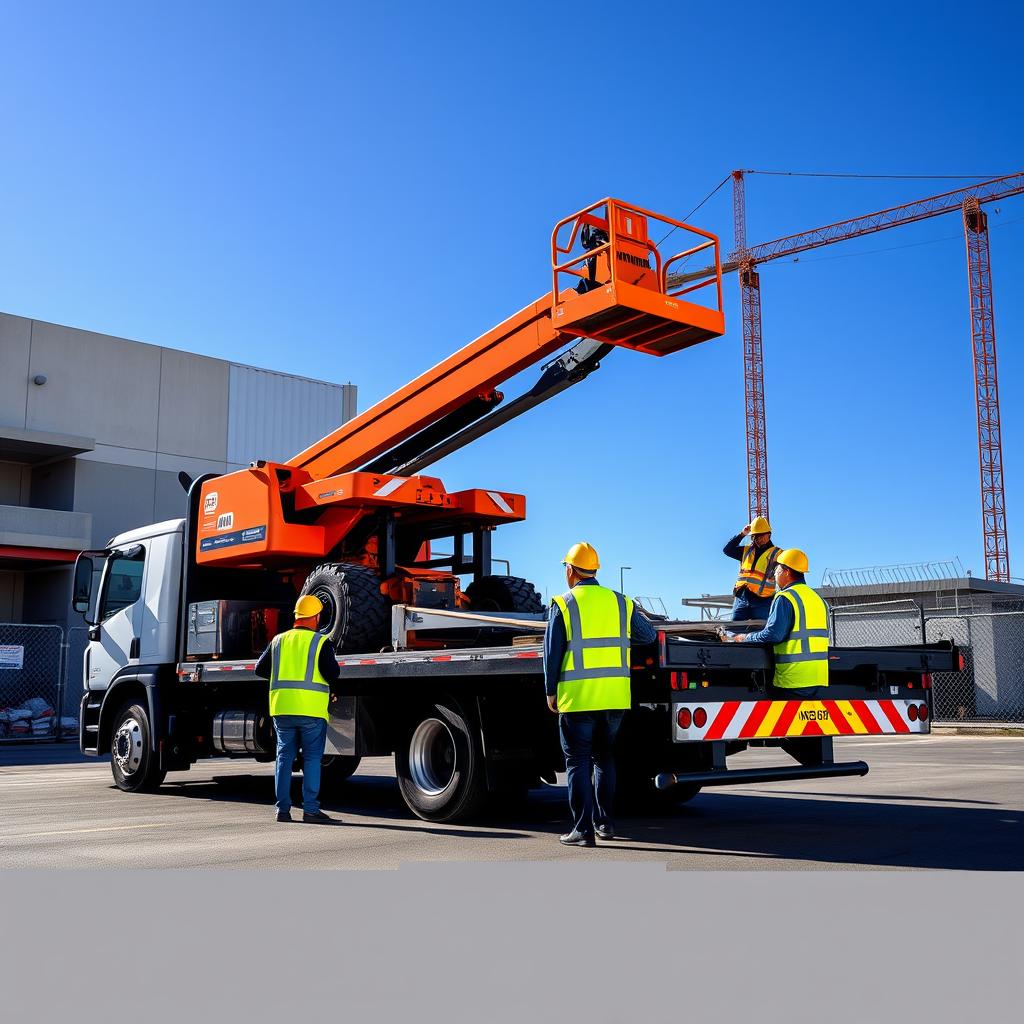
At some point in the equipment rental business, you'll get a phone call or email that says some version of: "We need your certificate of insurance before the equipment can come on site." If you've been renting equipment for a while, you already know this. If you're newer to the business, this guide explains exactly what a Certificate of Insurance (COI) is, what it needs to show, what customers mean by "additional insured," and how to manage these requests efficiently.
What Is a Certificate of Insurance?
A Certificate of Insurance (COI) is a one-page summary document—issued by your insurance agent or broker—that shows the key details of your active insurance policies: carrier names, policy numbers, coverage types, limits, and effective dates. It doesn't transfer coverage and isn't the policy itself. It's a standardized evidence document that confirms your insurance exists.
The standard form used in commercial insurance is the ACORD 25. Almost everyone who asks for your "certificate" is asking for an ACORD 25 form.
Why Customers Ask for Your COI
When a customer rents your equipment—especially a GC or commercial project owner—they're accepting the physical presence of your machinery on their job site. They want to know:
- You have general liability insurance in case your equipment causes bodily injury or property damage on their site.
- You have inland marine / equipment floater coverage so that disputes over damaged equipment are handled by an insurer, not by a cash demand against them.
- Your coverage limits are adequate for the exposure level on their project.
Some customers ask for COIs as a routine administrative step. Others—large general contractors, government agencies, and publicly traded project owners—have formal certificate requirements written into their subcontract agreements, and a COI that doesn't meet the spec will delay the equipment hitting the site.
What a Rental Company COI Should Show
A well-structured COI for an equipment rental company should include at minimum:
General Liability
- Policy type: Commercial General Liability (CGL)
- Each occurrence limit: At minimum $1,000,000. Many GCs and commercial owners require $2,000,000.
- General aggregate limit: At minimum $2,000,000. Higher-risk customers may require $4,000,000.
- Products and completed operations aggregate: Should match or exceed the occurrence limit.
- Effective and expiration dates
Commercial Auto
- Policy type: Business Auto Policy (BAP)
- Combined single limit: At minimum $1,000,000
- Covered autos designation: "Any Auto" or specific vehicles, depending on what the customer requires
Workers' Compensation
- State-statutory workers' comp limits
- Employers' liability limits: Typically $100,000/$500,000/$100,000 at minimum; some customers require $500,000/$500,000/$500,000 or higher
Inland Marine / Equipment Floater
- Some customers—particularly those accepting high-value equipment on their site—will want to see proof of inland marine coverage listed on the certificate. This is less universally required than GL and auto, but you should be able to provide it on request.
Additional Insured Requirements: What They Mean
The most common special request you'll see on a customer's COI requirements is: "[Customer Name] must be listed as an additional insured on the certificate holder's general liability policy."
This is not the same as adding them to your policy. What it means:
Your GL policy includes an additional insured endorsement that extends your policy's coverage to include the named third party for claims arising from your operations. If your equipment causes an injury on their site and someone sues them as the property owner/GC, your GL policy can respond to that claim—as if they were also an insured under your policy.
Being asked for additional insured status is standard in commercial construction. What you need to confirm with your agent:
- Does your GL policy include a blanket additional insured endorsement? This allows you to add additional insureds on a per-certificate basis without modifying the policy each time. Without this endorsement, your agent has to call the carrier and manually add the named entity—which takes time and sometimes incurs endorsement fees.
- Is additional insured status for ongoing operations only, or does it extend to completed operations? Many GCs now require completed operations AI status (meaning coverage extends after the job is done, not just while your equipment is on site). Verify whether your policy provides this.
Waiver of Subrogation
Another frequent request you'll see: "Waiver of subrogation in favor of [Customer Name]."
Subrogation is the legal process by which your insurance carrier, after paying a claim, pursues the party responsible for the loss to recover what they paid. If your equipment is damaged on a customer's site due to their negligence, your insurer pays your claim and then might sue the customer to recover those funds.
A waiver of subrogation means your insurer agrees not to pursue that recovery against the named party. Customers request this because they don't want to be sued by your insurer even if something goes wrong.
Most GL and commercial auto policies can add this by endorsement. Some blanket waiver endorsements include it automatically. Confirm with your agent whether your policy supports blanket waivers or requires individual endorsements per certificate.
Primary and Non-Contributory Language
You may also see this on larger customer COI requirements: "Coverage must be primary and non-contributory with respect to any other insurance maintained by the Certificate Holder."
This means your insurance responds first, before the customer's own policies, and your policy doesn't share the cost with their insurance. It's a way customers protect their own policies from being triggered by claims arising from your operations on their site.
This language is typically added by endorsement to your GL policy. Make sure your agent knows this is a frequent requirement for your customer base so it's addressed in your policy structure upfront.
How Fast Can You Get a COI?
With a modern specialty broker like CCA, certificate issuance is typically same-day—often within a few hours of the request. Most certificates are now issued digitally through carrier portals or certificate management systems.
To ensure fast turnaround, provide your agent with:
- The exact legal name of the certificate holder
- Any required additional insured name and address
- The specific limits required
- Any special endorsements requested (waiver of subrogation, primary/non-contributory)
If you have a blanket AI endorsement already on your policy, most of this can be processed without carrier approval—your agent can issue the certificate directly.
For rental companies serving active construction projects, where COI requests come in fast and projects can be delayed if the paper isn't ready, having a broker who can turn these around quickly matters. Ask your current agent how long certificate requests typically take. Same-day is the right benchmark.
Managing COI Requests on the Rental Side: Requiring Customer Certificates
As an equipment rental company, you may also want to require your customers to provide a certificate of insurance before they can take possession of your equipment. This is increasingly common among professional rental operations, particularly for high-value equipment.
What you'd typically require from a customer renting your equipment:
- General liability insurance that names them as the insured (showing they have coverage for their operations)
- Additional insured endorsement naming your company on their GL policy (so their coverage responds if someone claims damages related to your equipment in their custody)
- Waiver of subrogation in your favor
This doesn't guarantee you'll be compensated if they damage your equipment—that's your equipment floater's job—but it creates a documented insurance relationship and may help with subrogation recovery if your insurer pursues the customer after paying your claim.
What Happens When a Customer's COI Is Insufficient?
Here's the scenario rental operators need to understand: your equipment is damaged while in a customer's custody. You file a claim on your equipment floater. Your insurer pays you. Your insurer then attempts subrogation against the customer.
If the customer's insurance is inadequate—limits too low, wrong coverage type, or a lapsed policy—your insurer's subrogation effort may partially or fully fail. You may recover less than the full replacement cost. Your deductible is already out of pocket.
This is why the rental agreement matters as much as the insurance structure. A well-drafted rental agreement with clear damage liability provisions, a signed acknowledgment of insurance requirements, and documentation that you verified the customer's COI before releasing equipment creates a much stronger position when you need to collect.
It also means that your equipment floater needs to be sized correctly—with replacement cost coverage and appropriate limits—so that even if subrogation against a poorly insured customer fails, your own loss is covered.
COI Management Tips for Rental Operators
1. Use a COI tracking system. If you're managing dozens of customer and vendor certificates, a spreadsheet becomes unmanageable fast. Basic COI management tools (some are included in rental management software) can track expiration dates and flag gaps.
2. Build COI requirements into your rental agreement. Don't make certificates optional. Require them as a condition of rental for any project over a certain equipment value threshold, and make this clear in your standard rental contract.
3. Verify, don't just collect. A certificate is only good if the underlying policy is active and accurate. For high-value equipment on long-term jobs, it's worth a quick call to the customer's agent to verify the policy terms before your machine leaves the yard.
4. Know your own requirements. Before a major customer tells you your certificate doesn't qualify, understand exactly what limits and endorsements your policy can support. Your agent should be able to tell you exactly what your policy will and won't cover on a certificate.
Getting Set Up with the Right Coverage
If you're regularly losing business because your certificate doesn't meet customer requirements—wrong limits, missing endorsements, or a carrier that customers' insurance departments don't recognize—that's a fixable problem. CCA places equipment rental company insurance through admitted carriers whose paper is accepted by GCs and commercial project owners, and CCA can issue certificates the same day they're requested.
Need a certificate today, or want to review your existing program? Start with a quote and let's build an insurance program that gives you the documentation your customers require.
Need this coverage for your rental fleet?
Get a real quote in about 15 minutes — we shop A-rated specialty rental markets.